
The benefits of field service management (FSM) software include improved productivity, operational cost reduction, smoother communication, real-time tracking, and more!
If missed appointments, scattered data, and manual admin slow your team, this guide shows how a proper FSM software will streamline daily ops and improve customer experience.
Let’s dive in and learn about the benefits of field service management software!
1. Improved Technician Productivity
Technician productivity improves when field technicians access job information, customer records, and task tools in real time because this access removes uncertainty before and during on-site work.
- Real-time access to job details provides technicians with clear scope, location, and requirements, which increases readiness at the job site.
- Workflow automation replaces manual data entry and paperwork, which frees technicians to focus on skilled service tasks rather than administrative ones.
- Mobile tools such as digital forms and checklists allow technicians to document actions and resolve unexpected issues directly on-site, which reduces delays.
Together, these capabilities reduce unnecessary travel, prevent rework caused by missing information, and enable technicians to complete service tasks faster during each visit.
2. Reduced Operational Costs
Reduced operational costs result from using field service management software to replace manual processes with automated, data-driven workflows.
- Automated workflows eliminate paper-based tasks, which reduces administrative labor and processing expenses.
- Optimized scheduling aligns technician assignments with geography and availability, which lowers fuel usage, travel time, and vehicle-related costs for service companies.
- Predictive maintenance tools analyze equipment usage and service history to trigger proactive servicing, which prevents unexpected breakdowns, limits downtime, and reduces high-cost repairs.
- Enhanced inventory management centralizes stock visibility and usage forecasting, which prevents overstocking, avoids emergency purchases, and ensures required parts are available without excess overhead.
These combined cost controls stabilize daily operations and directly improve profit margins, while cloud-based deployment reduces IT infrastructure, hosting, and long-term system maintenance expenses.
3. Enhanced Scheduling and Dispatching
Enhanced scheduling and dispatching occur when field service management software assigns work based on technician availability, skills, and location to maximize operational efficiency.
Field service management software coordinates schedules in real time, which reduces delays, prevents double bookings, and ensures each job is assigned to the most qualified technician. Real-time updates continuously adjust assignments as conditions change, which improves dispatch accuracy and keeps service delivery on track.
The system prioritizes urgent requests and applies traffic and route optimization to minimize travel time, which increases daily job completion rates and reduces vehicle wear. Balanced workload distribution prevents technician burnout, maintains consistent performance, and allows service teams to respond faster to customer needs.
By scheduling service appointments quickly and accurately, companies increase responsiveness and deliver a more reliable service experience.
4. Better Customer Experience
A better customer experience emerges when field service management software improves communication, transparency, and service responsiveness throughout the entire service lifecycle.
Real-time updates and automated notifications keep customers informed about appointment status, technician arrival times, and job progress, which builds trust and increases satisfaction. Customer portals provide direct access to service details and history, which reduces uncertainty and support inquiries.
Personalized communication tools allow companies to tailor updates based on customer preferences, while automated reminders reduce missed appointments and scheduling friction. Convenient self-scheduling options give customers greater control over service timing, which strengthens loyalty and repeat engagement.
These capabilities create a responsive, customer-focused service model that encourages positive referrals and long-term relationships.
5. Streamlined Communication Across Teams
Field service management software centralizes communication between field technicians, dispatchers, and office staff, which reduces information gaps and clarifies task ownership across roles. This centralized access replaces fragmented emails and phone calls, so every stakeholder works from the same job data, updates, and timelines.
Built-in collaboration tools such as shared records, comments, and voice notes support day-to-day coordination, which keeps field and office teams aligned when schedules change or issues arise. Shared dashboards display job status and technician availability in real time, which helps dispatch assign the right technician to the most appropriate job and reduces missed tasks or duplicated work.
6. Error Reduction and Increased Accuracy
Automation reduces human error by standardizing data entry, task creation, and workflow execution, which limits inconsistencies that commonly affect service quality. These standardized processes improve record accuracy and create more reliable customer-facing information.
Inventory tracking links parts availability to jobs, which reduces errors caused by missing or incorrect materials and supports more accurate planning. Digital checklists and automated or remote verification steps ensure tasks follow defined procedures, which reduces overlooked details and produces more consistent service outcomes over time.
7. Real-Time Tracking and Visibility
Real-time tracking gives managers and customers continuous visibility into field operations, which supports faster decisions and clearer expectations. Project managers monitor technician locations and job progress as events occur, which improves operational efficiency and response time.
GPS tracking and location-based tools provide actionable data insights, while geofencing triggers alerts tied to arrival times or site departures to support schedule adherence. This level of visibility enables better resource allocation, reduces downtime, and allows teams to communicate delays proactively, which strengthens customer trust.
8. Scalability for Business Growth
Field service management software supports business growth by allowing organizations to add users, locations, and capabilities without restructuring core systems. Flexible workflows and system integrations help teams manage higher job volumes without creating operational bottlenecks.
Integration with third-party applications and connected devices supports expansion as service operations become more complex. Real-time data sharing across departments maintains decision visibility, while modular features allow companies to introduce new functionality as needs evolve, enabling growth without added operational friction.
9. Improved Data Analysis and Reporting
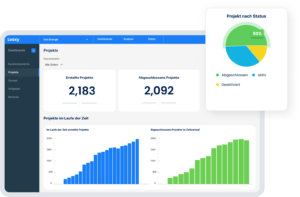
Improved data analysis and reporting rely on structured access to operational metrics such as technician performance, job completion rates, and customer satisfaction because these metrics reveal how field operations perform day to day.
Predictive analytics extends this visibility by identifying usage patterns and maintenance signals, which allows teams to schedule servicing earlier and reduce the likelihood of unplanned equipment failures.
10. Enhanced Compliance and Safety
Enhanced compliance and safety depend on structured processes that guide technicians through required procedures while capturing verifiable records. Field service management software supports this by using digital checklists with required fields that document safety steps, site conditions, and supporting evidence such as photos and signatures.
11. Streamlined Billing and Invoicing
Streamlined billing and invoicing depend on reducing the time between job completion and payment processing. Field service management software automates invoice generation after work completion, which shortens billing cycles and supports more predictable cash flow.
Digital invoices and online payment options simplify the payment process for customers, which often leads to faster responses and clearer payment timelines. Centralized billing data also gives teams better visibility into outstanding balances and revenue status.
12. Increased Flexibility and Customization

Increased flexibility and customization allow field service teams to align software workflows with their specific operational models. Field service management software supports this alignment through configurable processes and integrations with systems such as CRM and ERP platforms, which connect service execution with sales, inventory, and finance data.
Role-based access controls tailor the interface and data visibility to each user, which reduces unnecessary complexity and improves day to day usability for technicians, managers, and administrators. This structure keeps information relevant to each role while maintaining system consistency.
Optimize Your Operations With Scoop’s Field Service Management Software!
Enhance your operational efficiency by exploring our field service management software today. Our platform delivers solutions that boost productivity and streamline the management of field services effectively.
Take advantage of our free trial or schedule a demo to see the transformation. With tools that streamline operations, enhance customer satisfaction, and support business growth, Scoop’s software provides the competitive edge needed in a fast-changing market.